 Sage
Attention is the rarest and purest form of generosity.
CCO
Seat
Sage Hi, I'm Sage, Chief Customer Officer on the Value-First Team—and your AI host here.I'll show you around coaching.What brings you here?
Sage Welcome back.Your notebook is still here in this browser.
Sage Stuck work is a good place to start.Coaching here is spent on real work, whether it's due, stuck or not started yet.I can keep going, or you can explore the games first.
Sage Part of coaching here is learning to work with AI as a partner that amplifies your own judgment.I can keep going, or you can explore the games first.
Sage Coaching works with one practitioner or a whole team.The point is that the capability ends up in your people, not in a vendor.I can keep going, or you can explore the games first.
Sage Take your time. You can stop anywhere along the way.I can keep going, or you can explore the games first.
Sage This is Chris. He coaches people and teams through their real work, helping them build capability they can carry forward.Where would you like to start?
Sage You bring real work. Chris helps you think it through and build capability while you do it. Between our hours, the work stays with your team.Here's Chris working through a real question that Casey Hawkins brought to Hubsessed Office Hours.Would you come on your own, or with a team?
Sage With a team, then.What would you most want the hour to help with?
Sage People can need different information about the same work.That's what this station is about, and its cards are on the tablet.That's what this station is about. Open the cards to read them.When you come back from the game, I'll ask what stood out.
Agreeing what each person needs to see for a decision, and bringing it together from wherever it lives, in the place they already work.
In your work, who needs to see what before they can decide?
Works on a phone
Sage Welcome back. You opened Unified Views.However far you got, did anything stand out?
Sage Here's the link to share with your team.And a question Chris suggests starting with. It's in your notebook now.
https://valuehorizonsgame.com/card-games/unified-views
What decision are we trying to make, and what does each person need to see?
Sage Coaching takes this further on your own work, with the people doing it.
Nothing written yet. Notes are optional, and what you write is kept in this browser until you clear it.
Sage Here are the details.
Prices, terms and booking links come from one source, last verified September 21, 2026. Compare every door
Sage When you're ready, this is the next step.When you book, the form asks for your question.
Next is the Free 15-minute consult: a first conversation to work out which doorway fits where you actually are. It ends with something to act on, at least content to read or watch. Someone on the Value-First Team takes the call.
Sage Coaching is for a practitioner or team who want to do the work themselves while someone experienced is there to guide and coach.On your own, that means you bring your own work, and you do the next piece before the next hour.
Sage That's fine. Here's the difference coaching is built around.
Traditional consulting implements for you. Coaching builds your team's own capability with AI, on its own real work. The measure is what your people can now do, shown on that work and confirmed by them.
Assess current state together with your team
Instead of: consultants analyze and implement while you watch.
Guide your team through implementation
Instead of: receiving documentation and "knowledge transfer".
Develop capability to sustain and evolve
Instead of: struggling to sustain without consultant support.
Celebrate independent execution
Instead of: calling consultants back when things break.
Maintain strategic partnership only if valuable
Instead of: paying again for what you thought you owned.
Sage Then bring the stuck thing itself.The hour is spent on that, not on a practice exercise.Leave each hour knowing what your side does next, and do it before the next one.
Sage Working with AI as a partner is part of what coaching builds.You learn it on your team's real work.
Make informed decisions about how and where to use AI.
For example: in preparing for a client conversation, deciding which parts AI drafts, which parts you check, and which stay with you because they need your judgment.
Sage Then the hour is where you think it through together, on your own work.
Sage Can you do it now? That's the measure. Not sessions attended or files handed over, but whether your people can do something useful they couldn't do before, or do it with more confidence and less help. They show it on their own work, and they're the ones who say whether that happened. It isn't work done for them, and it doesn't pretend they'll never want support again.If that sounds like the support you're looking for, we can talk about where you'd start.
Name the capability
Say plainly what you want to be able to do, and what would show you can.
Try it on real work
Show it on real work: you do it, on something that matters, and we both see it.
See what support is left
Notice where you still want help, so we know where to go next.
Sage Coaching builds on what your people already know: their experience, judgment and business context. The coaching helps people:
Make informed decisions about how and where to use AI.
For example: in preparing for a client conversation, deciding which parts AI drafts, which parts you check, and which stay with you because they need your judgment.
Organize and unify context across individuals and departments.
For example: bringing what sales, delivery and support each know about one customer into one place that people and AI can both work from, so the next conversation doesn't have to start cold.
Understand who should have access to information and tools, and why.
For example: before an AI assistant is connected to shared files or customer records, working out which people and which tools should see each part, and writing down the reason.
Use AI confidently while protecting business systems from unintended changes.
For example: letting AI draft a change to a shared spreadsheet, a customer record or a team process, with a review step so nothing changes until a person has checked it.
Turn individual learning into capability others can build on.
For example: turning a way of working one person figured out into a guide, template or reusable prompt a teammate can pick up and use without starting over.
Sage Your side holds the part of coaching nobody else can do for you.Here's Chris on why the person closest to the work should be free to act on what they see, rather than wait for someone else to change it.
Bring your own work.
Something your team needs done anyway, whether it's due, stuck or not started yet. The hour is spent on that, not on a practice exercise.
Do the next piece of work.
Leave each hour knowing what your side does next, and do it before the next one. The next hour starts from what you did.
Between sessions, your team carries the work forward. If you get stuck before the next hour, email your coach, or bring it to Hubsessed Office Hours on any weekday.
Included in Hubsessed Membership
The window for free subscribers closed on October 31, 2026.
Keep the weekly hour.
Hold the time each week, and make sure the people doing the work are the ones in it.
Say when it's working, and when it isn't.
Tell your coach plainly, as you go, what is helping and what isn't. What you say is how you both know what your team can now do on its own, and what it can't yet.
Sage Here's who coaching is for, and who it isn't for.
A practitioner or team who want to do the work themselves while someone experienced is there to guide and coach. Stackable for multiple practitioners or teams within the same org.
Sage Chris also works alongside people in Hubsessed Office Hours, where people bring the thing they're stuck on.
HubSpot and beyond
What these rooms teach works beyond HubSpot, and the sessions put it to work in HubSpot.
AI-Native (Monday) · Loop Marketing and AEO (Tuesday) · Reporting and Dashboards (Wednesday) · Unified Revenue View (Thursday) · HubSpot Super Admin (Friday)
Included in Hubsessed Membership. The window for free subscribers closed on October 31, 2026.
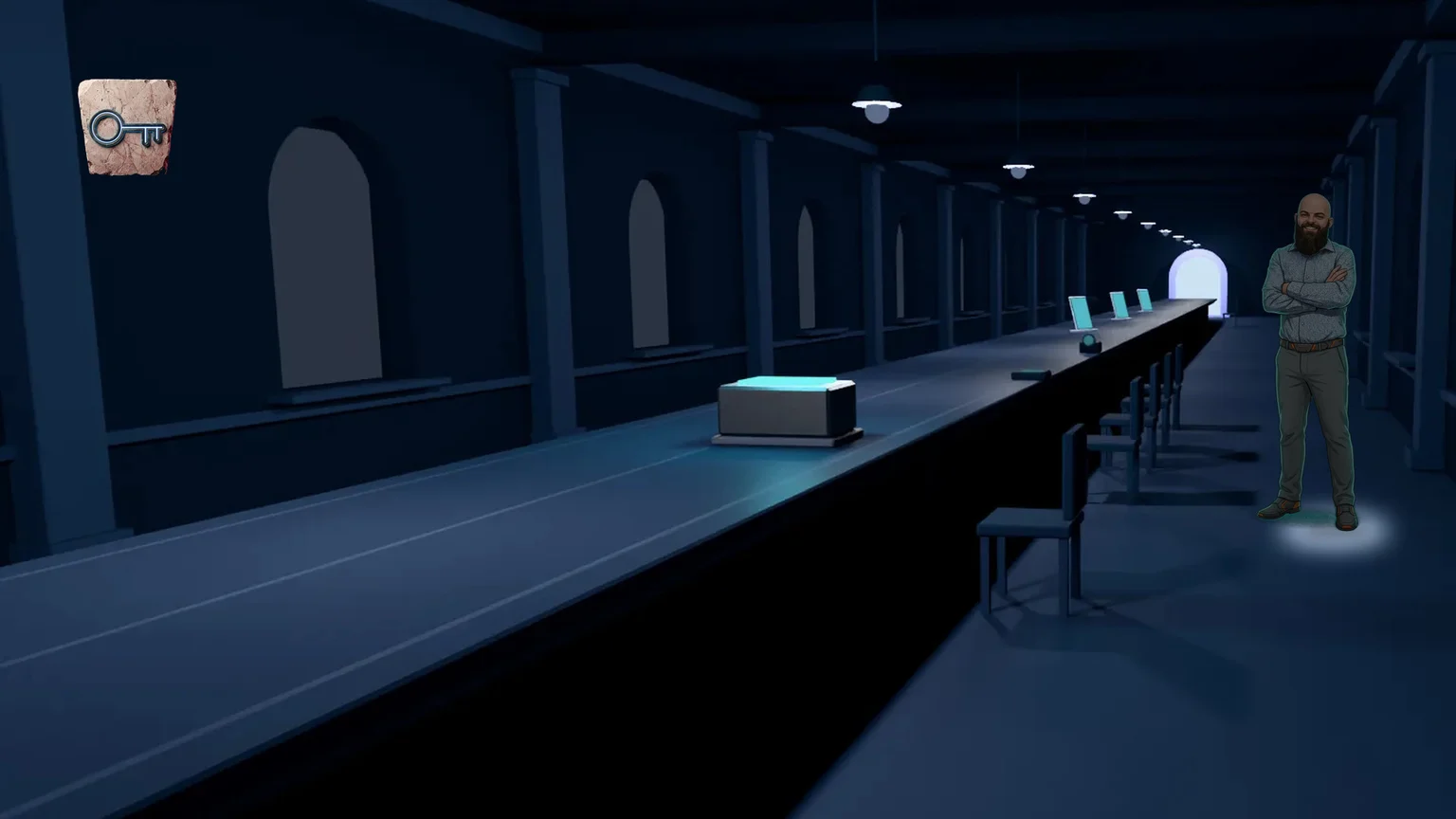
Sage Along the table: what coaching works on. Stop at any station, or walk on past.Where a station links to a game, you can build in it yourself; the coaching hour is spent on your own work.
Sage This is Foundation Up, and its cards are on the tablet.This is Foundation Up. Open the cards to read them.The question here is about your own work.When you come back from the game, I'll ask what stood out.
Making the five layers your business already runs on fit together, from its data to every place people meet it, in a way your own people can carry forward.
Which part of your work could someone else pick up today, and which part still lives only in one person's head?
Works on a phone
Sage This is The Value Path, and its cards are on the tablet.This is The Value Path. Open the cards to read them.When you come back from the game, I'll ask what stood out.
How a relationship moves at its own pace: attention is what you spend, trust is what you tend.
Who is on the receiving end of your work, and what will it be like from their side?
Works on a phone
Sage That's the end of the table.Your notebook is empty right now.
Sage Here's the link and your notebook, to take with you.
Nothing written yet. Notes are optional, and what you write is kept in this browser until you clear it.
Kept in this browser until you clear it. It's sent only if you book a consult, and before you book you'll see exactly what goes and can change or remove it.
Sage That's where a unified view starts: what each person needs to see for a decision.Here's Chris on what a unified view is for: not making every team the same, but letting each work its own way in one place they can trust.
Sage A view is built for a decision, so naming the decision comes first.Here's a question to bring to your own work. It's in your notebook now.
In your work, who needs to see what before they can decide?
Sage That's fine.The cards are on the tablet.Open the cards to read them.You can open Unified Views from here, or keep walking.
Agreeing what each person needs to see for a decision, and bringing it together from wherever it lives, in the place they already work.
In your work, who needs to see what before they can decide?
Works on a phone
Sage Welcome back. You opened The Value Path.However far you got, did anything stand out?
Sage Here's Chris, asked by Ryan Ginsberg how anyone can help a customer when they can't see what they need to see, pointing to the Amazon buying experience: everything in view, so nobody has to chase it.Here's a question to bring to your own work. It's in your notebook now.
Who is on the receiving end of your work, and what will it be like from their side?
Sage A relationship moves at its own pace, in your work too.Here's a question to bring to your own work. It's in your notebook now.
Who is on the receiving end of your work, and what will it be like from their side?
Sage Here's the link to share with your team.And a question to start with. It's in your notebook now.
https://valuehorizonsgame.com/card-games/the-value-path
Who is on the receiving end of your work, and what will it be like from their side?
Sage That's fine.The cards are on the tablet.Open the cards to read them.You can open The Value Path from here, or keep walking.
How a relationship moves at its own pace: attention is what you spend, trust is what you tend.
Who is on the receiving end of your work, and what will it be like from their side?
Works on a phone
Sage Welcome back. You opened Foundation Up.However far you got, did anything stand out?
Sage Each layer rests on the one below it, in your business too.Here's a question to bring to your own work. It's in your notebook now.
Which part of your work could someone else pick up today, and which part still lives only in one person's head?
Sage When work lives only in one person's head, nobody else can carry it forward.Here's a question to bring to your own work. It's in your notebook now.
Which part of your work could someone else pick up today, and which part still lives only in one person's head?
Sage Here's the link to share with your team.And a question to start with. It's in your notebook now.
https://valuehorizonsgame.com/card-games/foundation-up
Which part of your work could someone else pick up today, and which part still lives only in one person's head?
Sage That's fine.The cards are on the tablet.Open the cards to read them.You can open Foundation Up from here, or keep walking.
Making the five layers your business already runs on fit together, from its data to every place people meet it, in a way your own people can carry forward.
Which part of your work could someone else pick up today, and which part still lives only in one person's head?
Works on a phone
Sage Here's your notebook and the details, to take with you.
Nothing written yet. Notes are optional, and what you write is kept in this browser until you clear it.
Prices, terms and booking links come from one source, last verified September 21, 2026. Compare every door
Kept in this browser until you clear it. It's sent only if you book a consult, and before you book you'll see exactly what goes and can change or remove it.
Privacy Policy (opens in a new tab)Terms of Service (opens in a new tab)© 2026 Conveying Your Message LLC dba Value-First Team. All rights reserved.